
When Grief Becomes a Health Risk: Helping an Elderly Parent Through the Loss of a Spouse or Child
Losing a spouse after forty or fifty years together is not the same as grief at any other stage of life. Losing a child, at any age, breaks something that doesn’t follow the usual stages people expect. For an elderly person, either loss can do more than break the heart. It can quietly dismantle the systems that were keeping them safe.
Families often watch for sadness. What they miss is the practical unraveling that grief sets in motion.
When a Spouse Dies
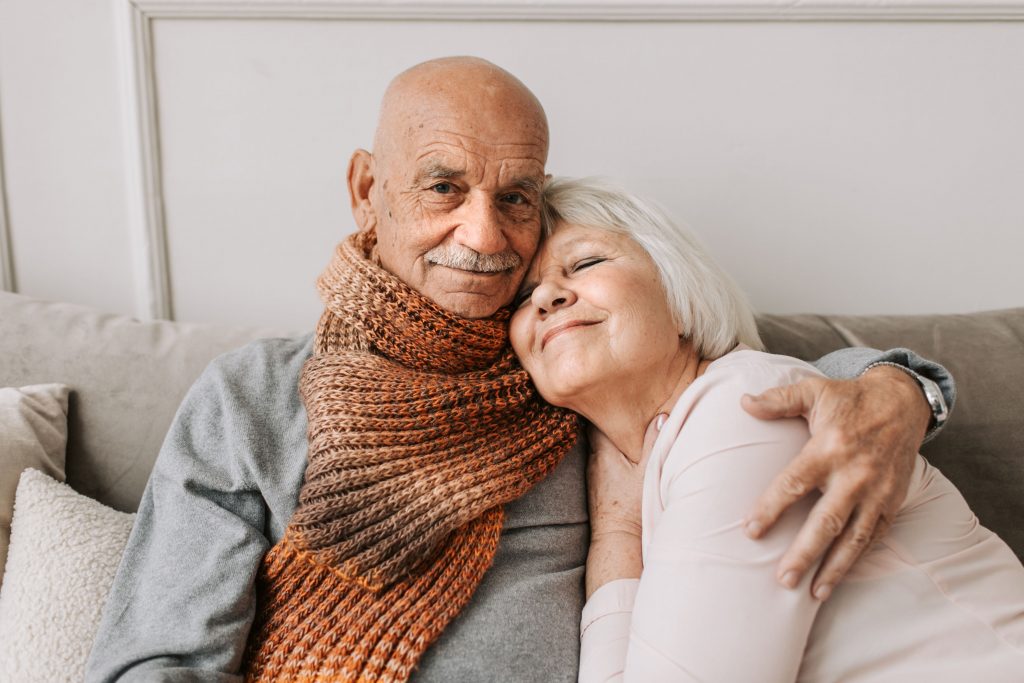
The person who managed everything stops managing anything.
In most long marriages, one spouse quietly ran the household without anyone noticing. They managed the medications, the doctor’s appointments, the meals, the finances. When that spouse dies, the surviving partner is often left holding responsibilities they’ve never handled and may not remember how to handle. This is not laziness or confusion. It’s a genuine gap in skill and confidence that shows up exactly when the person has the least energy to close it.
Losing purpose can be as dangerous as losing skill.
There’s a second version of this that runs the opposite direction. Sometimes the spouse who dies is the one who was cared for, and the surviving spouse was the caretaker. That person spent years, sometimes decades, organized around taking care of someone else. When that role disappears, so does a sense of purpose. Family members often expect relief in this situation, the caretaking burden is over, after all, but what actually shows up is often the opposite. The surviving spouse can lose motivation, feel unneeded, and slide into a depression that shows itself less as sadness and more as simply stopping. They stop cooking for themselves the way they cooked for their spouse. They stop keeping the same routines. Self-care starts to erode not because they can’t manage it, but because the reason they were managing it in the first place is gone.
Watch closely in the weeks and months after a loss for missed medications, unpaid bills, meals that stop happening, or a general sense that the person has quietly stopped taking care of themselves. These are not always signs of decline. Sometimes they are signs that the person managing the household is gone. Sometimes they are signs that the person who is still there has lost their reason to keep going.
Isolation moves fast.
A widow or widower often loses more than a spouse. They lose a social identity built around a couple, and often a portion of their social circle along with it. This isolation can happen within weeks, and it compounds every other risk. People who are isolated eat less, move less, and are far less likely to have anyone who would notice if something went wrong.
When a Child Dies
This loss carries its own physical risk.
The death of a child, no matter the age of that child or the parent, is often described by grief researchers as the loss most likely to break a person’s health along with their heart. That’s not just a figure of speech. The acute stress of losing a child can trigger real cardiac events. Sudden, overwhelming grief has been linked to a documented condition sometimes called stress cardiomyopathy, where the heart muscle temporarily weakens in response to a severe emotional shock. It mimics a heart attack, and in a person who is elderly and already managing cardiovascular risk, that kind of stress can be genuinely dangerous, not metaphorically.
This grief tends to run longer, and get less attention, than others.
Grief over a child tends to run longer and quieter than other grief. Parents often feel they aren’t allowed to grieve as openly, especially if they’re elderly and the child who died was an adult with their own family, their own spouse, their own more visible mourners. The parent’s grief can get pushed to the side, treated as secondary, even though the loss of a child, regardless of the child’s age, often runs deeper and lasts longer than people expect.
Watch for this in an elderly parent grieving an adult child: chest pain or new cardiac symptoms in the weeks following the loss deserve prompt medical attention, not the assumption that it’s “just stress.” And watch for a grief that seems to go underground rather than resolve, a parent who stops talking about the loss not because they’ve healed, but because they’ve learned no one wants to hear about it anymore.
What Applies to Both
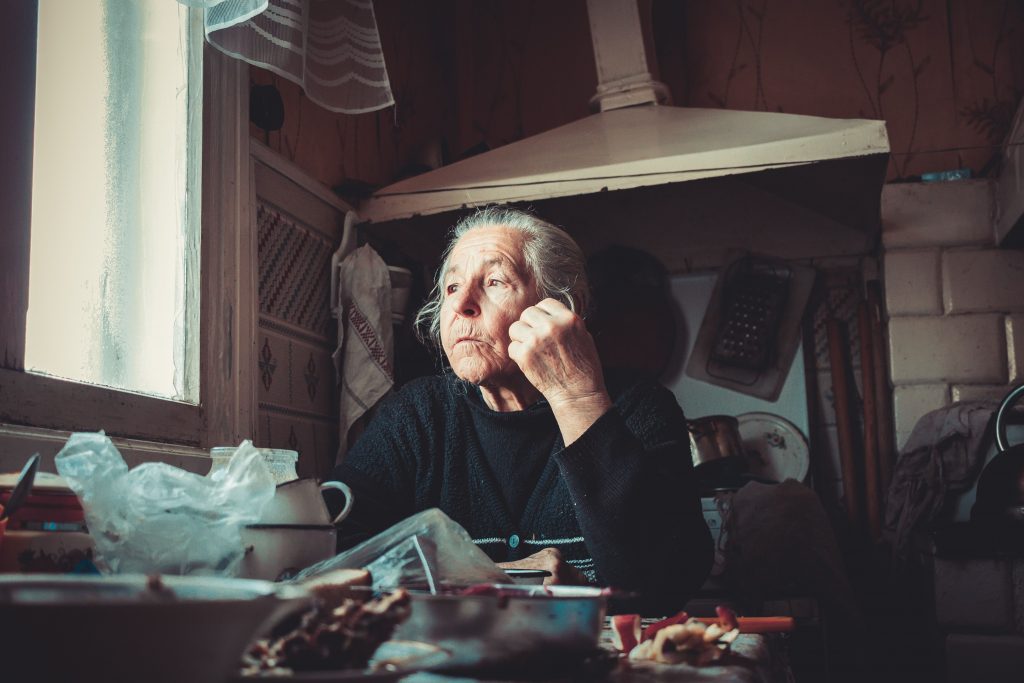
Grief accelerates cognitive and physical decline.
The stress of either loss has a measurable effect on the body and brain. Sleep suffers. Appetite drops. Existing conditions, heart disease, diabetes, memory issues, often worsen during acute grief because the person stops attending to their own care. Family members sometimes mistake this decline for early dementia when it is, at least in part, the physiological toll of grief itself. The distinction matters, because grief-driven decline can improve with the right support, while true cognitive decline requires a different kind of plan.
Understanding It Is the Help
There isn’t a fix for this.
There isn’t a fix for this. Counseling is often the first thing suggested, and it can help, but many older people won’t go, and pushing it can create more distance rather than less. Group activities and social outlets are good in theory, but they only work if the person wants to be there, and grief often removes the desire to be anywhere.
Naming it correctly changes how you respond to it.
What actually matters most is recognizing what you’re looking at. A parent who has stopped managing their medications, stopped cooking, stopped answering the phone the way they used to, is not being difficult and is not necessarily declining. They are grieving, and grief in an elderly person often looks like withdrawal and neglect rather than tears. Naming it correctly changes how you respond to it. It stops looking like a behavior problem to fix and starts looking like a normal, if dangerous, response to an enormous loss.
Grief can come out as anger, not just sadness.
That understanding also matters when grief comes out as anger instead of sadness. A parent may snap at the family member who is trying hardest to help, say something sharp and unfair, or push away the person closest to them. This is common, and it is rarely really about the person on the receiving end. It can help to know this in advance, so that when it happens, it doesn’t land as a personal attack or sour the relationship at a moment when that person needs you closest. It is still hard to absorb. It is worth absorbing anyway.
Watch for the point where grief becomes physically dangerous.
That doesn’t mean doing nothing. It means paying attention without expecting the attention to produce a quick change. Notice when the neglect crosses from grief into something physically risky, missed medications, unexplained weight loss, chest pain, a fall. Those are the moments that call for action, not because the grief itself needs fixing, but because the body underneath it needs protecting.
